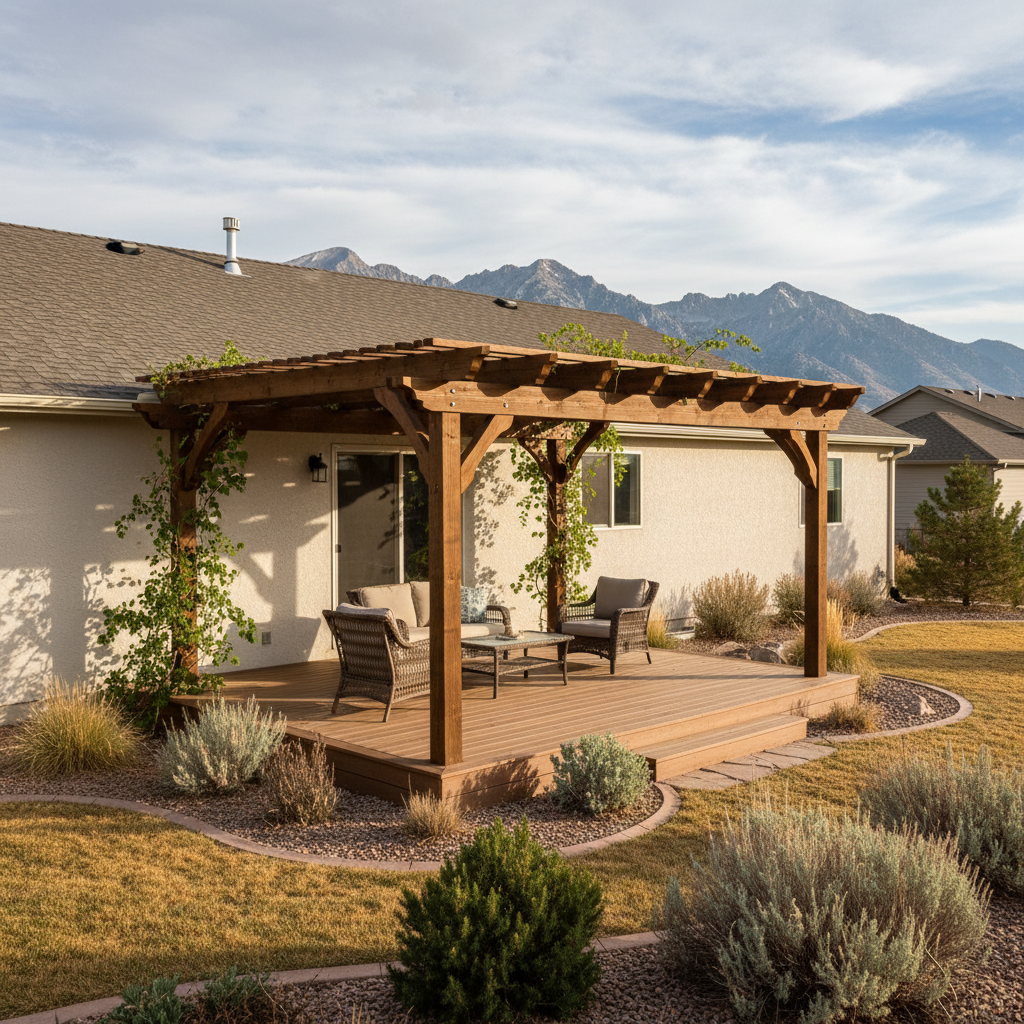
So, you're thinking about adding a pergola to your backyard? That's a really smart move. It'll give you some much-needed shade, clearly define your outdoor space, and honestly, it really boosts your home's curb appeal. But here in Clearfield, building outdoors isn't just about picking a nice design; it’s about really understanding our local climate. I’ve seen countless pergolas go up over the years, and I’ve picked up a few things about making sure they actually last.
When's the best time to build your pergola in Clearfield, anyway?
This is probably the question I hear most often. Everyone wants to start enjoying their new outdoor structure right away, but if you rush it, you could end up with a lot of headaches. For pergola construction around here, I usually tell folks to aim for late spring or early fall. Why those times?
Late Spring (April to early June): By then, the ground's thawed out, the heavy snows are behind us, and we're usually past the worst of the spring downpours. Temperatures are mild, which is awesome for the crew and for any concrete work we might need for the posts. Plus, you'll have it ready just in time for those prime summer months.
Early Fall (September to October): This is another sweet spot. The scorching summer heat is finally gone, and we're not yet dealing with freezing temperatures or those first early snows. The air is often drier, which is great for wood treatments and finishes. You'll still get some good use out of it before winter sets in, and it'll be all set to go come next spring.
Summer can work, especially if you're super eager, but those July and August days can get brutal. Working in 90+ degree heat isn't fun for anyone, and it can actually affect how fast materials cure. Winter? Forget about it for new construction. The frozen ground makes digging post holes a total nightmare, and you really don't want to be pouring concrete when it's below freezing. It just won't set right, and you're practically asking for trouble down the line.
How Clearfield weather really impacts pergola construction
Our weather here in Clearfield isn't always predictable, and it plays a huge role in how we approach outdoor projects. You've really got to consider a few things:
Wind: We get some serious gusts, especially during those spring and fall storms. A pergola needs to be anchored properly to withstand these. We're not just talking about a light breeze here; I've seen pergolas in older parts of Clearfield, like near the Freeport Center, take a real beating if they weren't built right. Strong footings and robust connections? Absolutely non-negotiable.
Sun Exposure: Our Utah sun is intense, even at higher elevations. This means choosing the right materials is critical. If you're going with wood, it absolutely needs to be treated or naturally resistant to UV damage. Cedar and redwood are popular for good reason, but even then, a good stain or sealant is your best friend. For composite or vinyl, you're usually in better shape, but fading can still be an issue with cheaper products, you know?
Snow Load: While pergolas typically have open roofs, if you're adding a shade cover or a retractable canopy, you really need to think about snow. A heavy, wet snowfall can put a ton of stress on the structure. Make sure whatever cover you use can be easily removed or is designed to handle that weight. You definitely don't want your beautiful new pergola collapsing under a foot of snow.
Rain and Moisture: We don't get as much rain as some places, but when we do, it can be a real downpour. Proper drainage around the posts is important to prevent rot, especially if you're using wood. We always make sure the posts are set in concrete and often elevated slightly from the ground to prevent standing water issues.
Protecting your pergola investment year-round
Once your pergola is up, the work isn't quite over. A little maintenance goes a long way in making sure it lasts for decades. Think of it like taking care of your car; you wouldn't just drive it without oil changes, would you?
Regular Cleaning: Just like your deck, your pergola will collect dust, pollen, and maybe some bird droppings. A simple wash down with a hose and a soft brush once or twice a year will keep it looking fresh. For tougher spots, a mild detergent works wonders. Just avoid harsh chemicals, especially on wood.
Inspect for Damage: Take a walk around your pergola a couple of times a year. Look for any loose bolts, cracked wood, or signs of insect activity. Pay close attention to the base of the posts where they meet the ground. Catching small issues early can prevent them from becoming big, expensive problems.
Reapply Sealant/Stain (for wood): This is probably the most crucial step for wooden pergolas. Depending on the product you use and how much sun it gets, you'll need to reapply a sealant or stain every 2-5 years. This protects the wood from UV rays, moisture, and rot. Seriously, don't skip this. It's like armor for your wood.
Winter Prep: If you have any fabric shades, canopies, or lighting, take them down and store them indoors for the winter. This prevents snow and ice damage and makes them last longer. For the structure itself, if you've got a good stain or sealant on it, it should be fine. Just make sure there are no loose parts that could catch wind and cause damage.
Building a pergola is a fantastic way to really enhance your outdoor living space. By understanding our local Clearfield weather and putting in a little effort on the maintenance side, you'll ensure your investment brings you joy for many, many years. If you're thinking about getting one built, or just have questions about maintaining your current one, please don't hesitate to reach out to us at Mighty Deck Co. We're always happy to help our neighbors.