What's the best material for a pool deck in Clearfield, really?
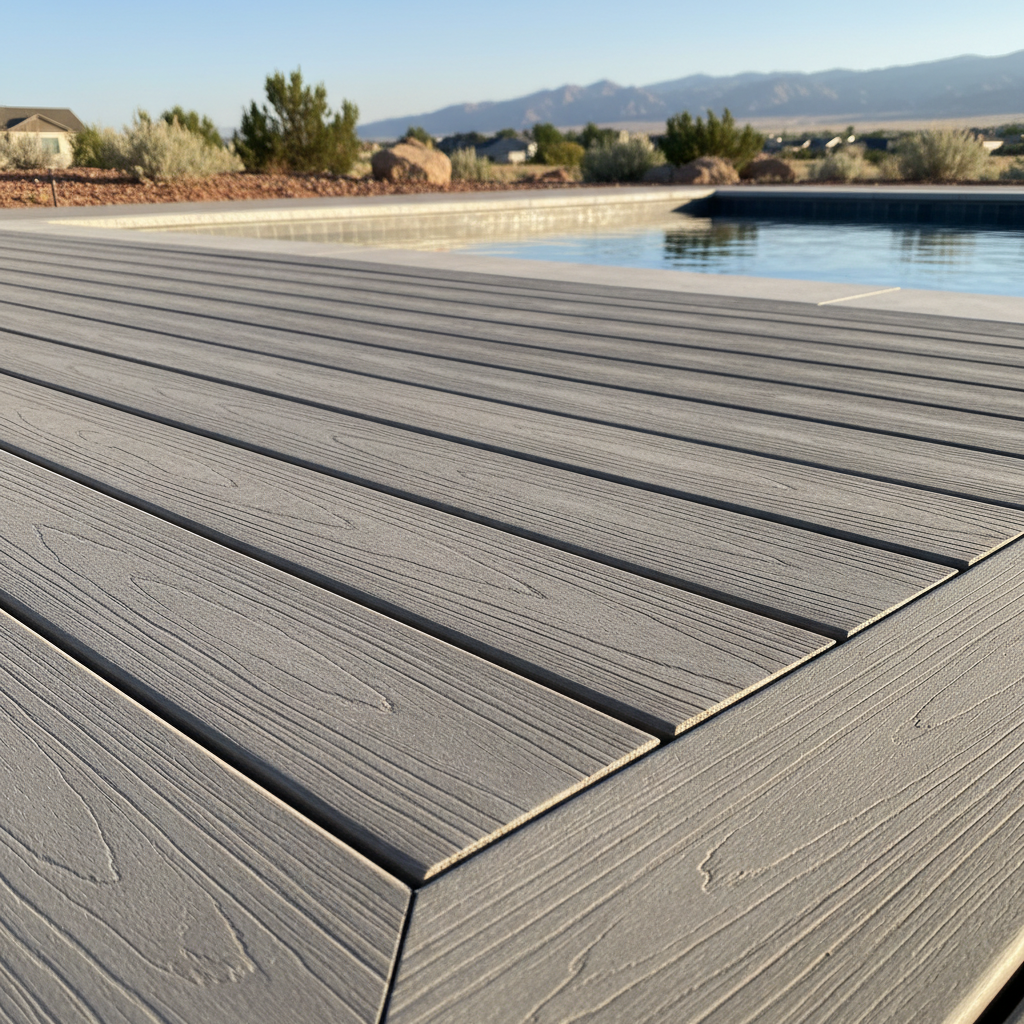
This question? It's probably the one I hear most often. Look, there isn't one single "best" material for everyone, but for our Clearfield climate, some choices definitely stand out. Concrete is a real workhorse, no doubt about it. It's tough, pretty affordable to start, and you can stamp or color it to look quite nice. But under our summer sun, it can get blazing hot, and if you slip, it's not very forgiving. Pavers are another solid choice; they look fantastic, and if one gets damaged, you can just swap out that single piece. Plus, they tend to stay cooler underfoot than a solid concrete slab. Wood decks, especially pressure-treated lumber or cedar, offer that classic look and feel. They're softer and cooler, but they do demand more upkeep – think regular sealing and staining to battle our freeze-thaw cycles and the sun's UV rays. Composite decking makes a fantastic, low-maintenance alternative to wood. It won't rot, splinter, or ever need staining, and a lot of the newer composites offer great slip resistance and don't hold heat as much. The initial cost is usually higher, sure, but you'll save a ton on maintenance over the years. For pool decks specifically, I often guide people toward pavers or composite because of the constant water exposure and the need for good traction.
How can I make my pool deck less slippery?
Slippery pool decks are a genuine concern, especially with kids tearing around. Good news: we've got several ways to fix this. If you're building new, pick materials known for better grip, like textured concrete, pavers with a slightly rough finish, or composite decking made with slip resistance in mind. Already have a smooth concrete or tiled deck? You're not out of luck. There are anti-slip coatings you can put on. These often have fine grit or aggregate mixed in, creating a textured surface. You can also find anti-slip paints or sealers. Just make sure whatever you choose is made for outdoor, wet spots and can handle chlorine or other pool chemicals. Sometimes, even just throwing down outdoor rugs or mats in high-traffic spots helps a lot, but you really want a permanent solution for the whole deck.
What kind of maintenance does a pool deck need?
Maintenance really depends on what your deck's made of. For concrete and pavers, sweeping regularly to clear debris is crucial. You'll want to power wash them every so often to get rid of algae, dirt, and mildew. I usually suggest doing this at least once a year, maybe twice if it sees heavy use or is in a shady spot. Wood decks? That's a different story. You'll need to clean, sand, and then reseal or stain them every 1 to 3 years, depending on the product and how much sun it gets. Skip this, and the wood will gray, splinter, and eventually just rot away. Composite decks are the easiest; usually, just a good scrub with soap and water or a light power wash is all they need. No sealing, no staining, no splinters. No matter the material, always check for loose boards, cracks, or shifting pavers and fix them fast before they turn into bigger, more expensive headaches. Oh, and keep an eye out for standing water; good drainage is absolutely vital for any deck's longevity.
Can I put a hot tub on my existing pool deck?
Now, that's a question that needs a very careful answer. Hot tubs are heavy – I mean, seriously heavy – especially once they're full of water and people. Your current pool deck might not be built to handle that much concentrated weight. A typical deck is designed to support around 40-50 pounds per square foot, but a hot tub can easily blow past that, often weighing hundreds of pounds per square foot. Putting it on a deck that isn't strong enough can lead to structural failure, which is both dangerous and expensive. Before you even consider it, you need a professional, like me or an engineer, to come out and check your deck's current structure. We'd look at things like joist spacing, beam size, and the foundation. Often, you'll need extra footings, beams, and joists installed specifically to support the hot tub's weight. Don't guess on this one; it's just not worth the risk.
How long does a pool deck typically last in Clearfield, UT?
How long a pool deck sticks around really comes down to the material you pick, how well it was put in, and the care it gets. A concrete deck, installed right, can easily last 20-30 years, sometimes even more, especially if you seal it regularly. Pavers are similar; they can last for decades because the individual units are so tough, and they handle our soil's expansion and contraction pretty well. Wood decks, even with good maintenance, usually have a lifespan of 10-15 years for pressure-treated pine, and maybe 15-20 for cedar or redwood, before they need major repairs or a full replacement. The sun, snow, and wild temperature swings we get here in Clearfield are just brutal on wood. Composite decking is made to last, often coming with warranties for 25 years or even a limited lifetime. With minimal upkeep, you can expect a composite deck to look great and perform well for a very long time. Ultimately, you really do get what you pay for when it comes to material and installation quality.
What about drainage? Is it really that important for a pool deck?
Absolutely, drainage is critical, and honestly, it's something I see overlooked way too often. Bad drainage around a pool deck can cause a whole bunch of problems. First, standing water is a slip hazard, plain and simple. Second, it's a breeding ground for mold and mildew, making your deck look gross and smell musty. Third, and most important for the deck's lifespan, constant moisture can actually damage the deck material itself. For wood, it speeds up rot and decay. For concrete and pavers, you can get efflorescence (those white salt deposits), cracking from freeze-thaw cycles, and it can even mess up the base underneath, causing settling. Water pooling against your house foundation is also a huge no-no. When we design and build pool decks at Mighty Deck Co, we always make sure there's proper grading and sometimes we'll add French drains or channel drains to move water away from the deck and foundation. It's a small investment during construction that saves you massive headaches down the road.
Are there any specific considerations for Clearfield's climate or soil when building a pool deck?
You bet there are. Our climate here in Clearfield, with its hot summers and cold, snowy winters, means big temperature swings. This expansion and contraction can be really tough on materials, especially if they're not installed correctly. Concrete needs proper expansion joints, and pavers need a well-compacted, stable base to stop them from shifting around. We also have varying soil conditions, sometimes with a good amount of clay, which can swell up when wet and shrink when dry. This "expansive soil" can cause foundations and deck footings to heave or settle if they're not handled right. That's why deep, stable footings, dug below the frost line, are non-negotiable for any deck structure around here. We also get a lot of sun, so UV resistance is a big deal for materials like composite decking and sealants. You want something that won't fade or break down fast under our intense summer sun. Thinking about these local factors upfront really saves you from costly repairs later on.
How much does a new pool deck usually cost?
This is like asking, "How much does a car cost?" It varies wildly, depending on a few key things: the deck's size, the material you choose, how complex the design is (multi-level, curves, built-in features), and the site conditions. Generally, concrete is often the most budget-friendly upfront, but decorative concrete or pavers can quickly cost as much as, or even more than, a basic wood deck. Composite decking usually sits at the higher end of the spectrum for initial material cost, but remember, you're paying for that minimal maintenance over its long lifespan. For a rough idea, you might be looking anywhere from $15 to $50+ per square foot, and that's a very broad range, isn't it? Tearing out an old deck, extensive site prep, or tough access can also hike up the cost. The best way to get an accurate figure is to get a few detailed quotes from local, reputable contractors. We'll come out, take a look at your specific situation, and give you a clear breakdown so you know exactly what you're getting into.