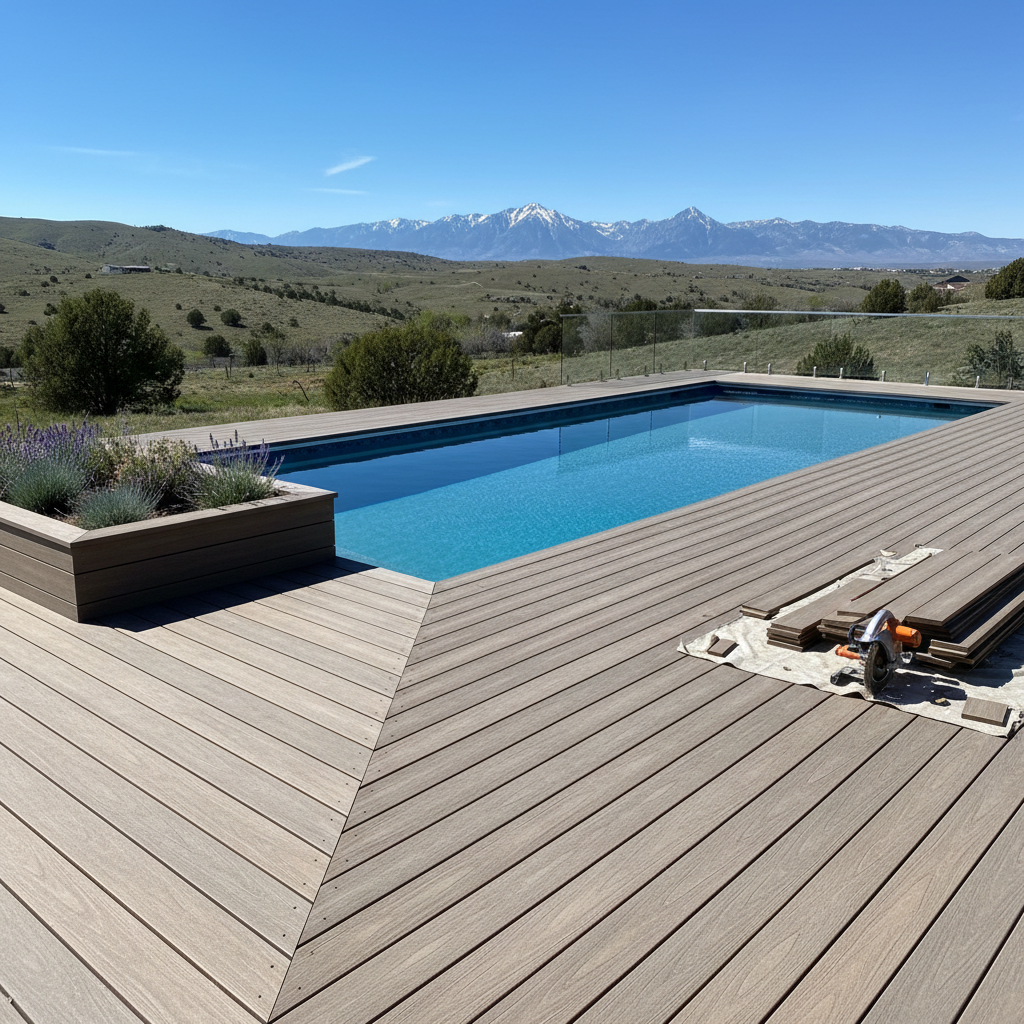
You've got a pool deck, right? That means you want to enjoy it, not constantly worry about it falling apart. I've built and repaired enough of 'em around Clearfield to know what works and what doesn't when it comes to keeping them in good shape. It's not exactly rocket science, but ignoring the basics will definitely cost you down the road. Trust me on that one.
Extending Your Pool Deck's Lifespan
The biggest thing you can do to make your pool deck last is protect it from the elements. Here in Utah, we get some pretty wild swings – scorching summers, freezing winters, and plenty of sun exposure. That's tough on any outdoor structure, especially one that's constantly getting splashed with chlorinated water.
- Seal it up: If you've got a concrete or paver deck, a good quality sealant is your best friend. It acts like a shield, preventing water, chemicals, and UV rays from getting in and causing damage. I usually recommend resealing every 2-3 years, but always check the product manufacturer's guidelines. For wood decks, a stain-sealant combo is crucial. It protects against moisture and UV, which are the main culprits for wood rot and fading.
- Mind the drainage: Water is the enemy. Make sure your deck slopes slightly away from your house and the pool's edge. If you see puddles forming and lingering, that's a red flag. Standing water will break down sealants, encourage mold, and eventually crack concrete or rot wood. Clear out any debris from expansion joints or around the deck's perimeter; this ensures water can drain freely.
- Protect from chemicals: Pool chemicals are harsh. Try to minimize splashes directly onto the deck surface, especially concentrated chlorine. If you're shocking the pool, do it carefully, and maybe rinse the surrounding deck area afterward.
Regular Maintenance: Your Weekly & Seasonal Chores
This isn't about spending all your free time on deck duty; it's about smart, consistent care.
- Weekly Rinse: A quick spray down with a garden hose once a week helps remove loose dirt, dust, and any chemical residue before it can build up.
- Monthly Scrub: For concrete or pavers, a mild detergent (like dish soap) and a stiff brush can do wonders. For wood, use a deck cleaner specifically designed for wood, following the directions carefully. Always rinse thoroughly afterward.
- Clear Debris: Leaves, pine needles, and other organic matter hold moisture and can stain your deck. Sweep or blow them off regularly. This is especially important in the fall when all those cottonwood trees in Clearfield start shedding.
- Check Fasteners: For wood decks, periodically check screws and nails. If any are popping up, secure them. Loose fasteners can be tripping hazards and they often indicate movement in the deck structure.
- Winter Prep: Before winter hits, give the deck a thorough cleaning and ensure it's completely dry. If you have any potted plants, move them off the deck or elevate them so they don't trap moisture and freeze to the surface.
Warning Signs You Shouldn't Ignore
Catching problems early can save you a ton of money and hassle. Keep an eye out for these:
- Cracks or Spalling: Small hairline cracks in concrete might be normal, but if they're getting wider, longer, or if you see pieces of concrete flaking off (spalling), that's a sign of water damage or freeze-thaw cycles really taking a toll.
- Discoloration or Stains: Beyond normal wear, dark spots could mean mold, mildew, or algae. Greenish tints often mean algae, which can make the deck slippery. Rust stains usually come from metal furniture or hardware.
- Loose or Wobbly Boards/Pavers: If your wood deck boards are cupping, warping, or feeling spongy, you've got moisture issues. For pavers, if they're shifting or sinking, the base might be compromised.
- Pooling Water: We talked about this, but it bears repeating. If water isn't draining, you'll have bigger problems soon.
- Fading or Peeling Sealant: If your sealed deck looks dull, patchy, or if the sealant is visibly peeling, it's not protecting your deck anymore. Time for a reapplication.
When to Call a Professional (Like Mighty Deck Co.)
Look, I'm all for DIY, but some jobs are just best left to the pros. You call us when:
- Structural Damage: If you see significant cracks, rot in support beams or joists, or major instability, please don't try to patch it yourself. That's a safety issue.
- Extensive Repairs: If half your deck needs new boards, or your concrete is crumbling in multiple spots, it's usually more efficient and safer to bring in someone with the right tools and experience.
- Drainage Issues: If you've got persistent pooling and can't figure out why, a professional can assess the grading and suggest solutions. Sometimes it's more than just clearing a drain.
- Complex Resealing/Restoration: While a simple reseal is often DIY-friendly, if your deck needs heavy cleaning, stripping, or has significant staining that won't come out, a professional can restore it properly without damaging the surface.
- You're short on time or expertise: Hey, life gets busy. If you don't have the time or just aren't comfortable tackling a bigger maintenance project, that's what Mighty Deck Co. is here for. We've seen it all and we know how to get your deck back in shape, or keep it there.
Taking a little time now to maintain your pool deck will pay off big time. You'll enjoy it more, it'll look better, and you'll avoid those costly, headache-inducing repairs down the line. It's just smart homeowner stuff, isn't it?